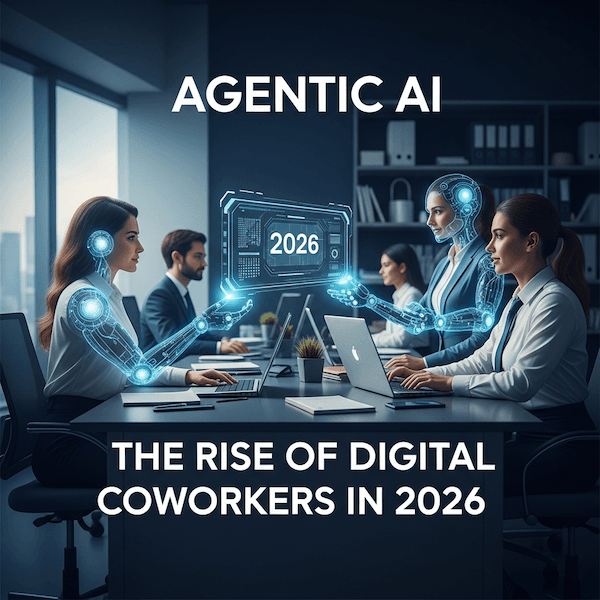


AI is evolving fast, but one of the most exciting trends right now is the shift from passive AI (think: chatbots) to “agentic AI”—systems that can act autonomously as digital coworkers.
Unlike traditional AI tools that simply answer questions or follow basic instructions, agentic AI can take real initiative. These systems can schedule meetings, analyze large datasets, automate complex workflows, and even make decisions within set parameters. Microsoft, Google, and several startups are already piloting agentic AI to support teams in everything from project management to customer service.
Why is this a big deal?
Enhanced Productivity: Agentic AI handles repetitive tasks, freeing up humans for creative and strategic work.
Workflow Automation: These agents can link together multiple tools and services, making processes smoother and less error-prone.
Collaboration: Agentic AI can participate in meetings, summarize discussions, and even assign follow-up tasks.
Of course, this shift raises some important questions. How do we ensure these systems act ethically? How much autonomy should we give them? And what does this mean for the future of teamwork and employment?
Curious to hear what others think—are you excited or skeptical about the rise of digital AI coworkers? Have you started using agentic AI in your work?